


Future scooter trends
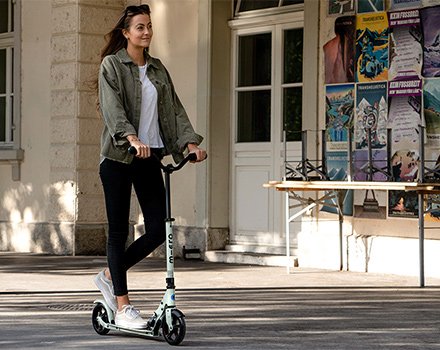
The future trend of scooters is evolving rapidly due to advancements in technology, changing urban mobility needs, and growing environmental consciousness. Here are some key trends shaping the future of scooters:
1. Electric Scooters (E-Scooters)
- Growth in Popularity: Electric scooters are becoming increasingly popular due to their convenience, affordability, and eco-friendliness. They offer a sustainable alternative to traditional fuel-powered vehicles.
- Growth in Popularity: Electric scooters are becoming increasingly popular due to their convenience, affordability, and eco-friendliness. They offer a sustainable alternative to traditional fuel-powered vehicles.
- Improved Battery Technology: Advances in battery technology are extending the range and reducing the charging time for e-scooters, making them more practical for everyday use.
- Improved Battery Technology: Advances in battery technology are extending the range and reducing the charging time for e-scooters, making them more practical for everyday use.
- Shared Mobility: E-scooter sharing services are expanding in cities worldwide, providing a flexible, last-mile transportation option that reduces traffic congestion and carbon emissions.
- Shared Mobility: E-scooter sharing services are expanding in cities worldwide, providing a flexible, last-mile transportation option that reduces traffic congestion and carbon emissions.
2. Connected and Smart Scooters
- IoT Integration: Future scooters will increasingly be equipped with IoT (Internet of Things) technology, allowing them to connect to apps and other smart devices for enhanced user experiences, including real-time tracking, route optimization, and remote diagnostics.
- IoT Integration: Future scooters will increasingly be equipped with IoT (Internet of Things) technology, allowing them to connect to apps and other smart devices for enhanced user experiences, including real-time tracking, route optimization, and remote diagnostics.
- IoT Integration: Future scooters will increasingly be equipped with IoT (Internet of Things) technology, allowing them to connect to apps and other smart devices for enhanced user experiences, including real-time tracking, route optimization, and remote diagnostics.
- Safety Features: New models are incorporating advanced safety features like anti-theft systems, GPS tracking, collision detection, and automated emergency alerts.
- Safety Features: New models are incorporating advanced safety features like anti-theft systems, GPS tracking, collision detection, and automated emergency alerts.
3. Sustainable Materials and Design
- Eco-Friendly Materials: There is a growing trend towards using sustainable and recyclable materials in scooter manufacturing to reduce the overall environmental impact.
- Lightweight Designs: Manufacturers are focusing on making scooters lighter and more energy-efficient, enhancing their performance and reducing battery consumption.
4. Autonomous Scooters
- Self-Balancing Technology: Research and development are underway for autonomous scooters with self-balancing technology, which can enhance stability and safety.
- Self-Driving Features: In the future, scooters might include self-driving capabilities for better parking, retrieval, or fleet management in shared scooter programs.
5. Micro-Mobility Integration
- Seamless Integration with Public Transit: Future scooters will likely be better integrated with public transit systems, offering users a seamless transition between different modes of transportation.
- Multi-Modal Transportation: Cities are increasingly promoting multi-modal transportation, where scooters serve as a critical component of the overall urban mobility strategy, especially for short trips.
6. Regulatory Evolution
- Standardized Regulations: As scooters become more common, governments are working towards standardized regulations to ensure safety, proper usage, and integration into urban environments.
- Incentives for Adoption: Many cities are offering incentives, such as subsidies or dedicated lanes, to encourage the use of scooters as part of green transportation initiatives.
7. Customization and Personalization
- Tailored Features: Future scooters might offer more customization options, such as adjustable ride modes, personalized dashboards, and unique design elements to cater to different user preferences.
8. Expanding Market Demographics
- Targeting Diverse User Groups: As scooters become more mainstream, companies are targeting a broader range of demographics, including older adults and those with mobility challenges, through specialized models designed for comfort and accessibility.
Overall, the future of scooters looks promising, with continued innovation in technology, design, and sustainability, as well as a focus on integrating scooters into the broader ecosystem of urban transportation.
CopyRight © 2015-2024 Yongkang Annelawson Sports Equipment Co.,Ltd All Rights Reserved.